



 July 3, 2026
 How long does salmon keep and how should you store it? All the guidance on the shelf life…
 Pure Alpine Salmon
 Back
Back
 May 18, 2026
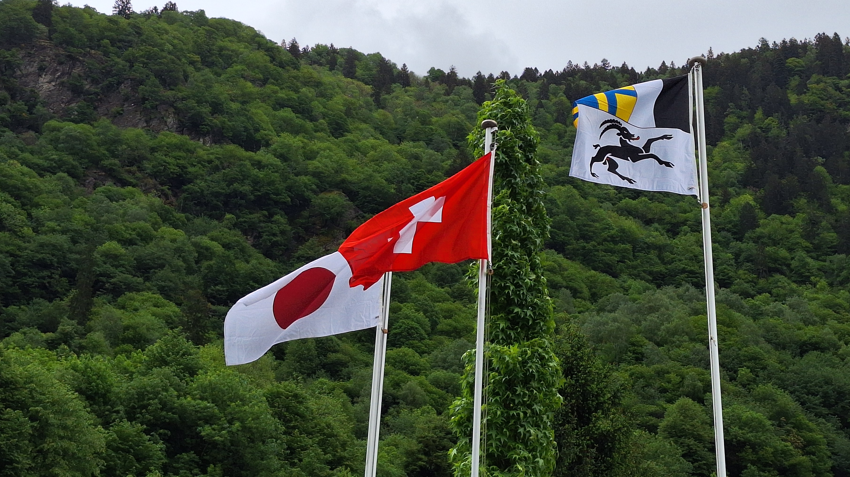
 On 7 May, Swiss Lachs welcomed representatives from the Embassy of Japan in Switzerland for an exchange on responsible aquaculture, fish welfare, and inland salmon production. The visit brought together Mr. Takehiro Okubo, and Mr. Masataka Nakayama, Second Secretary, Economic Section, Japanese Food and Agricultural Attaché.
Japan holds a distinctive place in the global food world. The country is internationally recognised for its uncompromising standards on freshness, purity, and traceability – principles deeply rooted in Japanese culinary tradition, from the precise handling required for sashimi-grade fish to one of the world’s most demanding frameworks for food safety. Japanese cuisine places exceptional value on the natural integrity of an ingredient, captured in concepts such as shun – the practice of enjoying food at its seasonal peak – and the cultural emphasis on simplicity that lets a product speak for itself. As one of the world’s largest consumers of high-grade salmon, Japan has a long-standing interest in how the fish reaches the plate, and under what conditions it is raised. This shared focus on quality, transparency, and respect for the product made the visit a natural meeting point.
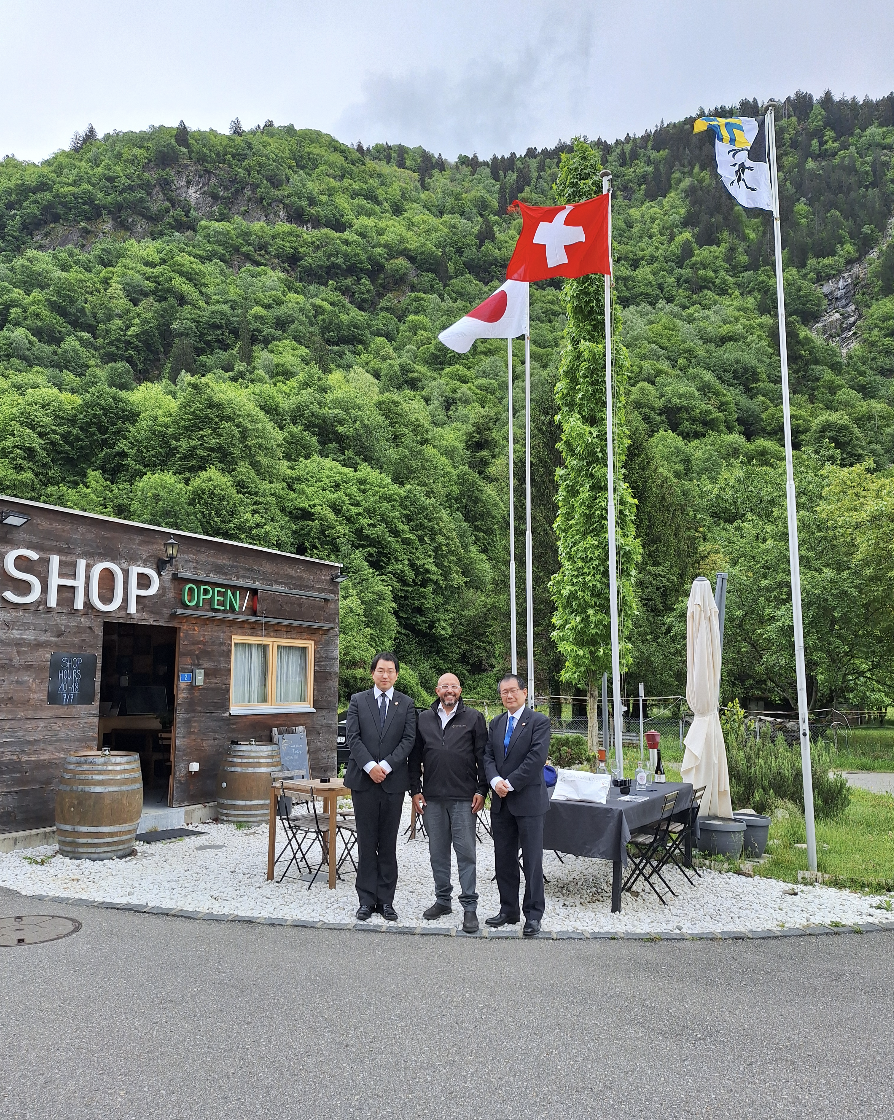
The visit centred on Swiss Lachs’ recirculating aquaculture system (RAS) and the operating practices that allow the team to raise Atlantic salmon in a fully inland environment.
Swiss Lachs occupies a distinctive position in European aquaculture. Most land-based salmon farms are located near the coast or rely on access to seawater. The Lostallo facility, by contrast, sits in the Swiss Alps and operates entirely on pure mountain water. This allows the team to manage water quality with precision, maintain a low-stress environment for the fish, and adjust salinity to match each stage of the salmon’s life cycle – from freshwater fry through to seawater-phase grow-out.
The RAS is circular by design: approximately 98 % of the water is reused, and a seven-step filtration process keeps it clean and biologically balanced. Organic waste from the farm is converted into biogas or fertiliser, supporting a resource-conscious production model.
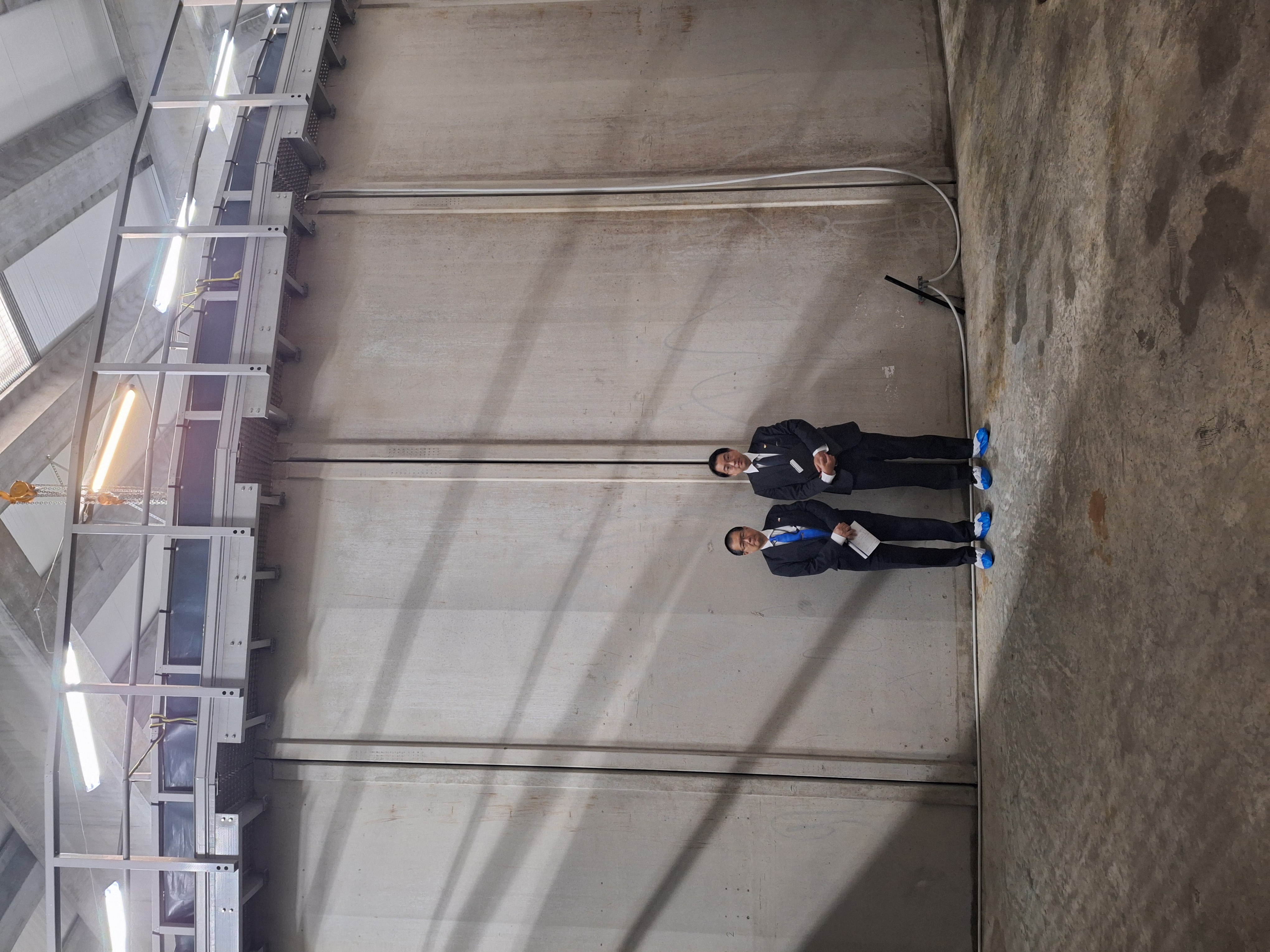
The contrast with open-net salmon farming is significant. In open systems, escapes, organic waste, parasites such as sea lice, and veterinary treatments can interact directly with the surrounding marine environment. A closed RAS keeps the farming environment fully separated from the surrounding ecosystem, allowing water quality and fish health to be managed under controlled conditions. This materially reduces ecological risk and removes the need for many of the interventions used in conventional sea-cage farming.
Swiss Lachs raises salmon without antibiotics, hormones, or other chemical inputs. The feed meets high nutritional standards, is certified free from ethoxyquin, and supports healthy growth throughout the production cycle.
The visit was an opportunity to share how premium salmon can be produced inland – at altitude, in fresh water, and within a contained system – with full traceability and a high standard of fish welfare.
To close the visit, the delegation was invited to taste a selection of Swiss Lachs’ salmon delicacies – a direct experience of the quality and character the production system is ultimately built to deliver. The tasting brought the conversation full circle, from the precision of the farming process to the moment the product reaches the plate.

 July 3, 2026
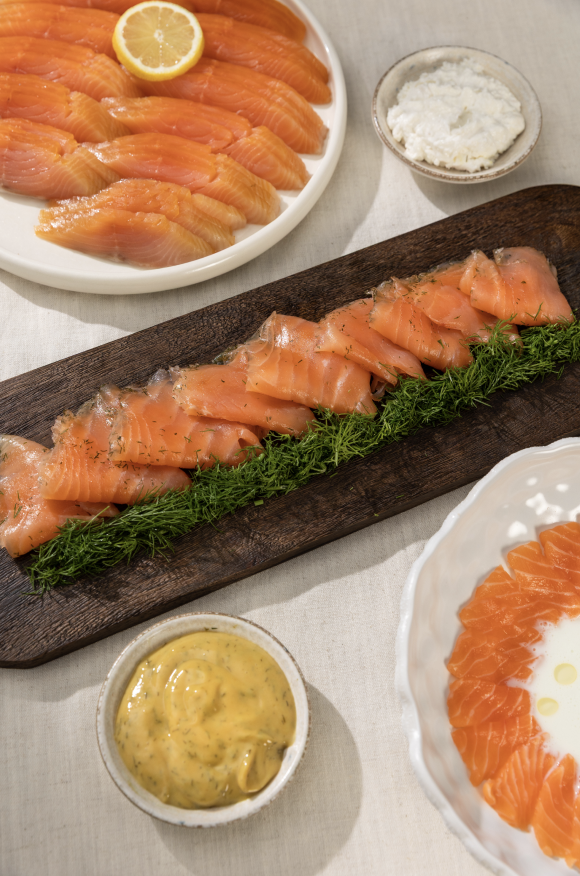
 How long does salmon keep and how should you store it? All the guidance on the shelf life…
 June 3, 2026
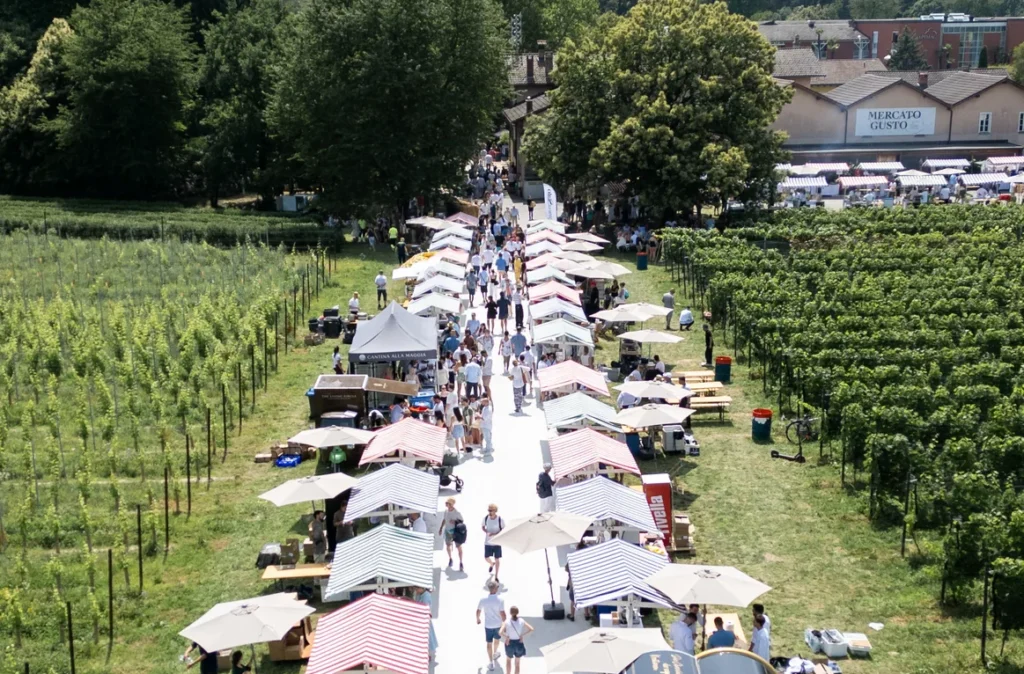
 Swiss Lachs will be part of Mercato del Gusto 2026, taking place on Sunday, 7 June 2026, at…
 July 23, 2024
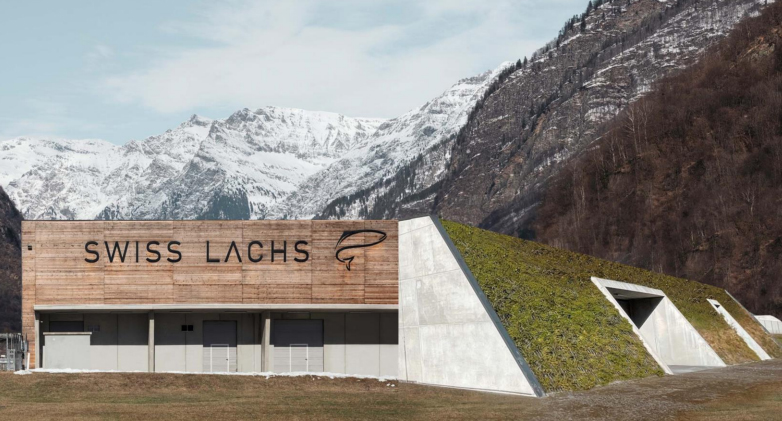
 SWISS LACHS is pleased to announce the take-over of the operations of Basis 57 in Erstfeld, the highly…